
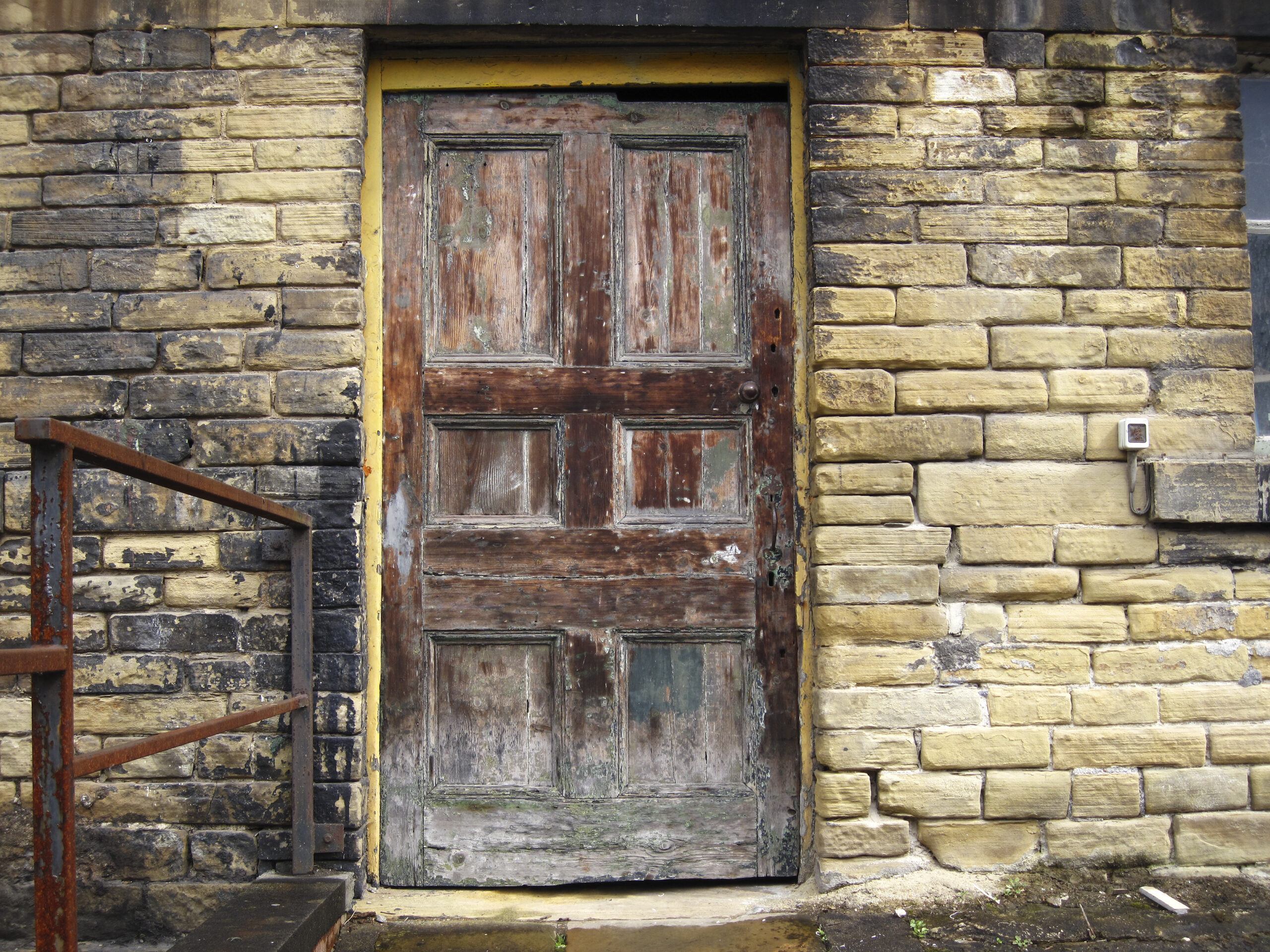
Did you know that outdated or damaged doors can compromise the safety and energy efficiency of your home?
Recognizing the signs that it’s time to replace your door is crucial for maintaining security and comfort—especially in hurricane-prone areas like Florida. In this blog post, we’ll explore common indicators of door wear and how to select the right door for your needs, debunking myths along the way.
You’ll learn about drafts, warping, stuck hinges, water damage, and the importance of high-quality impact doors that are not limited to conventional designs.
Let’s dive into understanding when to take action and how to make an informed decision for your home.
Understanding Door Wear and Tear
Doors are essential components of our homes that provide shelter, security, and privacy. However, like every other part of our house, they wear over time. Recognizing when it’s time to replace your door can save you from further complications down the line.
Below are some common signs that indicate door replacement may be necessary.
1. Drafts
One of the most obvious signs that it may be time to replace your door is an increase in drafts. If you notice a persistent gust of wind surrounding your door—even when it is closed—it signals that your door may no longer be sealing properly.
This issue can significantly affect your heating and cooling bills, making your home less energy-efficient.
Additionally, in humid states like Florida, doors with poor seals can allow not only air but also bugs and small lizards to weasel their way into your home. Given Florida’s diverse wildlife, having a door that secures against intruders—both insect and reptilian—is essential for maintaining a healthy living space.
Quick test: On a windy day, pass your hand around the edges of the door. If you feel air, it’s time to consider replacement options.
2. Warping
Warped doors are another clear indicator of damage that can lead to further complications. This is especially common in wooden doors subjected to humidity and temperature changes—conditions typical of many climates, including Florida.
When a door warps, it often becomes misaligned, causing issues with functionality. If your door sticks or has gaps when closed, look for visible signs of warping. If left unaddressed, this condition can lead to more severe structural problems.
3. Stuck Hinges
A door that sticks or has difficulty opening and closing may point to hinge problems or deterioration of the door frame. Stuck hinges can be a mild annoyance at first, but over time, they can lead to more significant issues, such as misalignment.
Any increased effort to open or close your door warrants a thorough inspection.
Tip: Try opening and closing your door without force. If it requires excessive effort, it may be time for a replacement or repair.
4. Water Damage
Water damage on or around your door indicates that moisture has infiltrated the structure, weakening its integrity. Signs of water damage may include:
- Bubbling or peeling paint
- Mold or mildew
- Staining on the door or frame
Doors that are frequently exposed to heavy rain or humidity—like those in Florida—are particularly susceptible.
In addition to compromising appearance, prolonged water exposure can lead to decay, rotting wood, or corrosion in metal doors. If your door shows signs of water damage, replacing it should be a priority.
Choosing the Right Door
Once you’ve recognized the signs that it’s time to replace your door, the next step is choosing the right one for your home. The right door enhances both aesthetics and functionality.
Here are the key factors to consider:
1. Material Matters
Choosing the right material is essential for durability and performance. For homeowners in tropical storm–prone areas like Florida, doors made of full fiberglass panels offer excellent protection.
Fiberglass doors resist warping, dents, and corrosion, making them a long-lasting and reliable option.
2. Solid PVC Jambs
Opting for solid PVC jambs can significantly enhance your door’s durability. PVC does not warp, rot, or mold and improves insulation, helping make your home more energy-efficient.
This resistance to humidity and pests offers longevity that traditional wooden jambs simply can’t match.
3. Stainless Steel Hinges
Don’t overlook the importance of stainless steel hinges. They resist rust and wear, allowing for smoother operation and a longer lifespan.
Quality hinges also prevent sticking issues commonly caused by inferior hardware, ensuring your door opens and closes effortlessly.
4. Impact-Resistant Features
In hurricane-prone areas, investing in impact-resistant doors is critical. Many homeowners believe impact doors must swing outward—but this is a myth.
Companies like IKON offer in-swinging impact-rated doors that provide the same level of protection as out-swinging options. These doors protect your home during severe weather while maintaining design flexibility and curb appeal.
5. Energy Efficiency
Energy efficiency should also be a top consideration. Well-insulated doors help maintain indoor temperatures and reduce energy costs.
Look for doors with high insulation ratings and energy-efficient certification labels to maximize long-term savings.
Conclusion: What Should You Do Next?
Recognizing when it’s time to replace your door is essential for protecting your home’s safety, efficiency, and comfort—especially in storm-prone regions like Florida.
By watching for the signs discussed above and choosing the right materials and features, you can ensure your investment pays off in both performance and appearance.
If you’re ready to take the next step, call us at 321-345-0646 or visit us here to request your free estimate.
As we all know, the key to protecting your home is investing in top-quality products.



Leave a Reply
You must be logged in to post a comment.